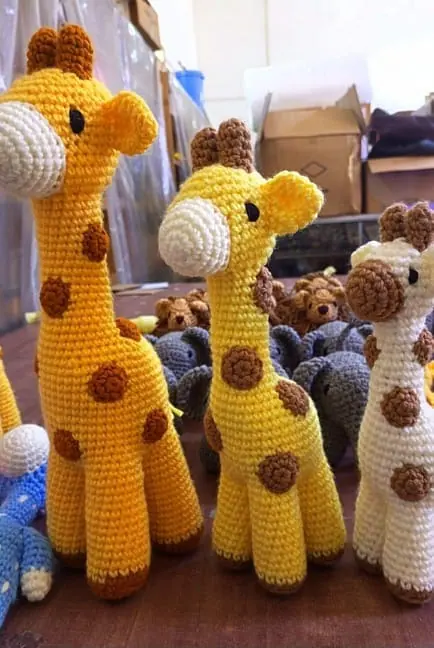

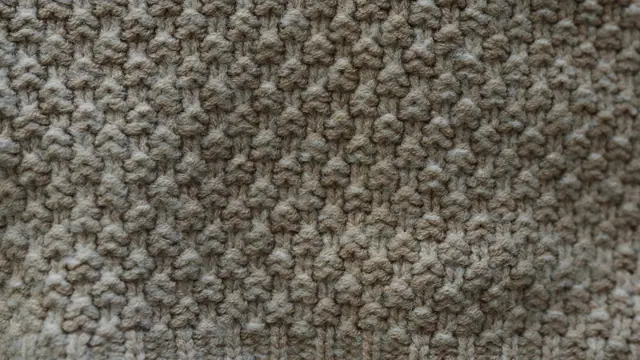
Let us say it first. Acrylic yarn is a plastic based fibre. It is made from a polymer called polyacrylonitrile, which comes from petroleum. Our animals are crocheted from recycled acrylic yarn, so this post is about our own material.
Acrylic fibre has been sold since 1948. People like it because it comes in many colours and is easy to wash.
How this sits beside zero plastic
On our plain animals we say zero plastic and nothing detachable. Some readers ask how that fits with a fibre that is plastic based. It is a fair question. We have not published a technical definition. If this matters for your choice, ask us. We will say what we know and what we do not.
What happens in the wash
Synthetic fabrics shed tiny fibres when they are washed in a machine. In 2016, researchers at the University of Plymouth washed different fabrics. Acrylic shed far more fibres than a polyester cotton blend. Some of these fibres pass through sewage treatment and reach rivers and the sea.
In 2017 the IUCN, a global conservation group, published a report. It said washing synthetic clothes is a major source of tiny plastic particles in the sea. We are not quoting a share. Numbers like that change with each study.
That research looked at washing machines and fabric by the kilo. It did not look at one crocheted animal. We do not know how much any of ours sheds. We only know it is the same family of material, so the same sensible habits apply.
What we suggest
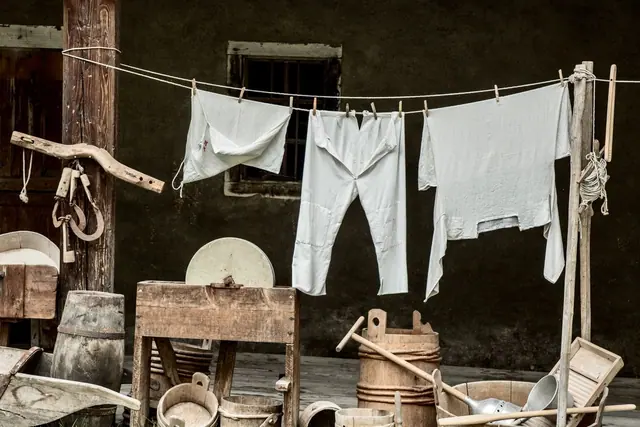
Our animals are easy to clean. That does not mean they should be washed every week. A brush and a damp cloth do most of the work.
- Wash rarely. Brush, wipe or dab a mark instead.
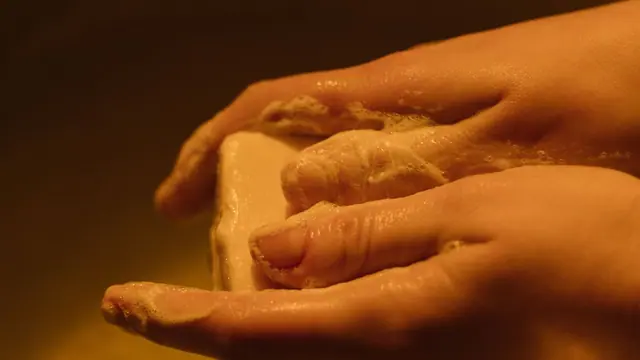
- If you must wash, use cool water and a little mild soap. Cooler water releases fewer fibres.
- Dry it in the air, in a shady, airy place. A machine dryer adds to the shedding.
- Keep it dry and aired between uses so it lasts longer.
These are general tips for synthetic fabrics. They are not a confirmed Mikono wash method. Our care page will carry our own advice first.
The trade off
Acrylic holds colour well and is easy to clean. Those are real reasons people choose it for crochet. Other fibres have costs too. A PBS NewsHour report on laundry notes that cotton and wool clothes also shed fibres. No fibre is free of trade offs.
We could have chosen another yarn. We chose to work with what is already out there, and to be honest about what it is. You can decide if that suits you.
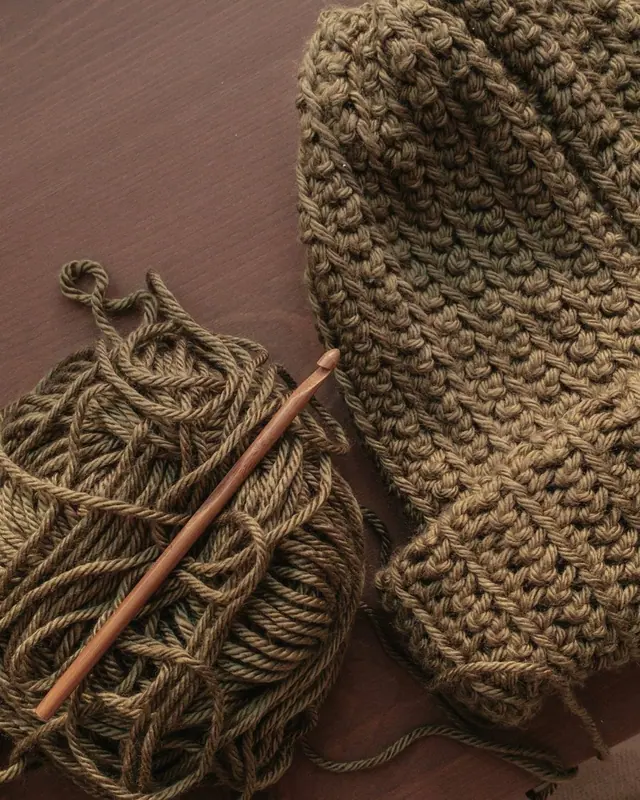
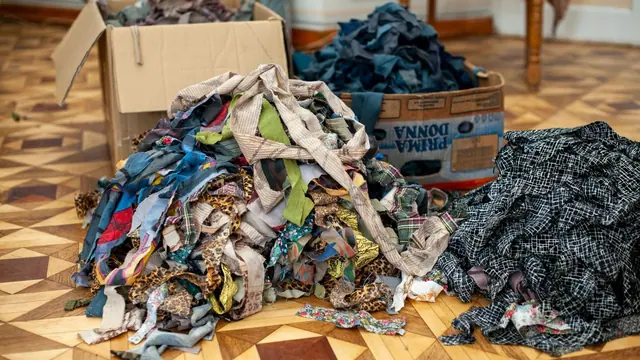
Our case for acrylic is reuse. The yarn already exists. Using it again does not change what the fibre is. It does mean that no new yarn was needed for that job. A person then turns it by hand into an animal made to be kept.
You should have the whole picture before you choose. We would rather tell you now than have you find out later.