
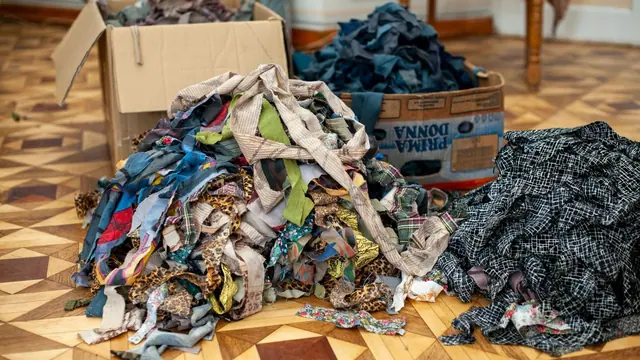
Many people in Kenya buy clothes from mitumba traders. Mitumba is a Swahili word for bales. Used clothes from overseas arrive pressed into big bundles, and traders sell them on by the bale. This trade gives many people work and clothes they can afford.
This post is about the other side of the story, which is waste. We are not experts on it. We have kept to what published reports say. We left out their big numbers, because the figures differ from one report to the next.
What the reports describe
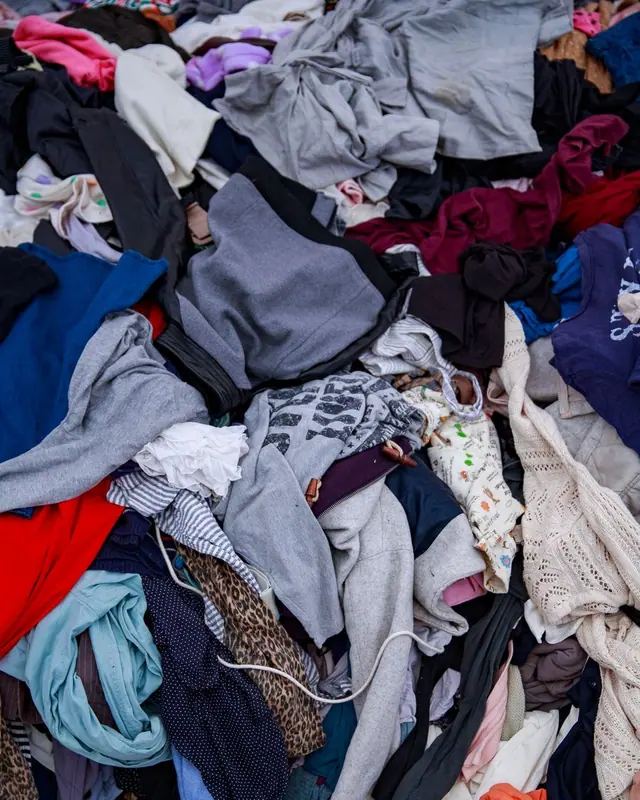
Greenpeace Africa has written about Gikomba, the big second hand market in Nairobi. Traders there said that some clothes in a bale are too worn or damaged to sell. Clothes that cannot be sold still have to go somewhere. The report says textile waste has blocked drains and polluted the Nairobi River.
The United Nations Environment Programme, or UNEP, has been working on guidelines. They aim to tell used clothing that can be sold apart from textile waste. A coalition that includes Kenyan second hand clothing traders asked UNEP to be open about this work.
Textile waste is not only a Kenyan matter. Cheap clothes and quick changes in fashion happen worldwide. Clothes sold in one country often began in another. The Kenyan reports show one part of a global pattern.
We left out numbers on purpose. If you want them, read the sources listed with this post and check how each one counted.
Buying second hand is a normal, sensible choice for many families. We are not against the trade. We only say that some clothes in it end up as waste.
Why we mention it
Our animals are made of yarn, not clothes. We have not published where our yarn is collected. So we are not saying our yarn comes from any of the above.
We mention it because it is the background to any talk of reuse in Nairobi. Things get made, get used, and then have nowhere to go.
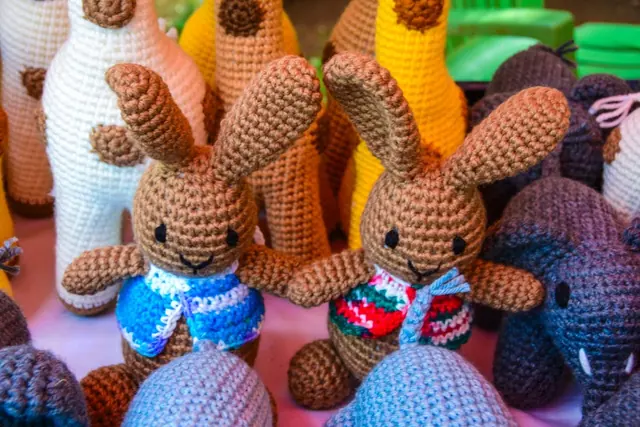
What we do say is short. Recycled acrylic yarn gives waste materials a new life. Each animal is crocheted by hand in Nairobi. This work supports 25+ women. Next to a river full of cloth, that is small. We would rather call it small than make it sound big.
Small steps you can take
- Mend a hem or sew on a button before buying a new shirt.
- Pass clothes to someone who will wear them, not to a bin.
- Before you buy, think about how often you will use it.
- Look after what you own so it stays in use. Our care page has ideas for crochet.
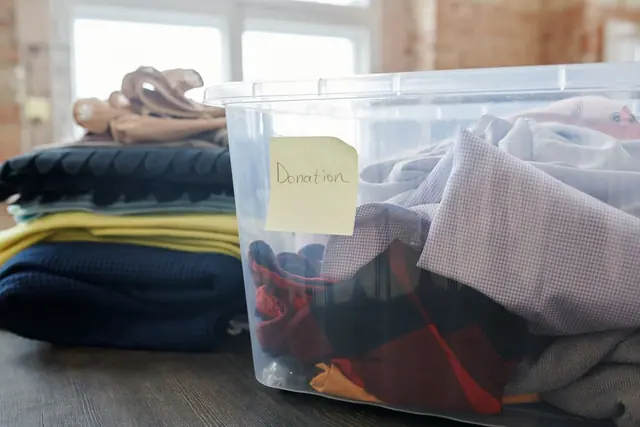
If you buy second hand, pick things you will really wear. Clothes left at the back of a cupboard are waste too. None of these steps clears a drain on its own. Many people doing them can change how much gets thrown out.
Do you work in textiles or recycling in Nairobi? Write to us and share what you know. We are still learning this subject.
Waste is easy to see on a riverbank and easy to miss in a wardrobe. Start with the wardrobe.